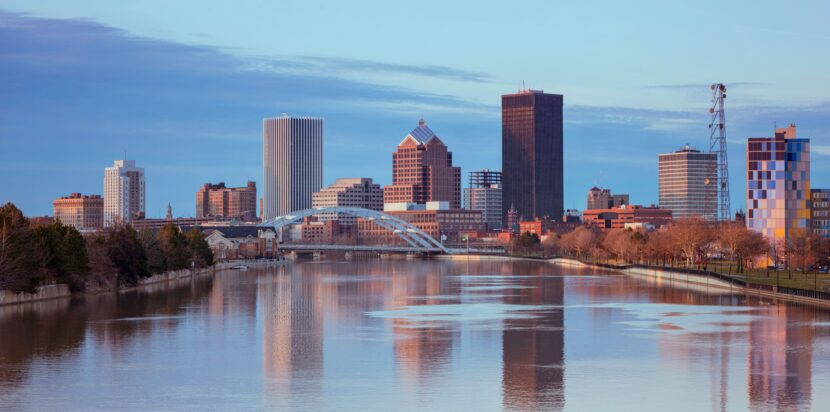
Interesting facts about Rochester, NY, explain what makes Rochester unique, who lived and worked there, where important places are located, when the city developed a strong identity, why it became known for industry and culture, and how everyday life formed interesting details and stories.
Historical Background and Interesting Facts About Rochester, NY
Rochester is located in the western part of New York State. It stands near Lake Ontario and along the Genesee River. This position helped early development. Water provided power for mills and transport routes. In the nineteenth century, the city grew fast because of industry.
One of the most known historical elements is flour production. Rochester was called the Flour City. Many mills operated along the river. Later, industry changed. The name shifted to Flower City, reflecting horticulture and festivals.
George Eastman played an important role in city history. He founded the Kodak company in Rochester. The photography industry developed strongly there. This created jobs and attracted workers from different regions.
Industrial Growth and Innovation
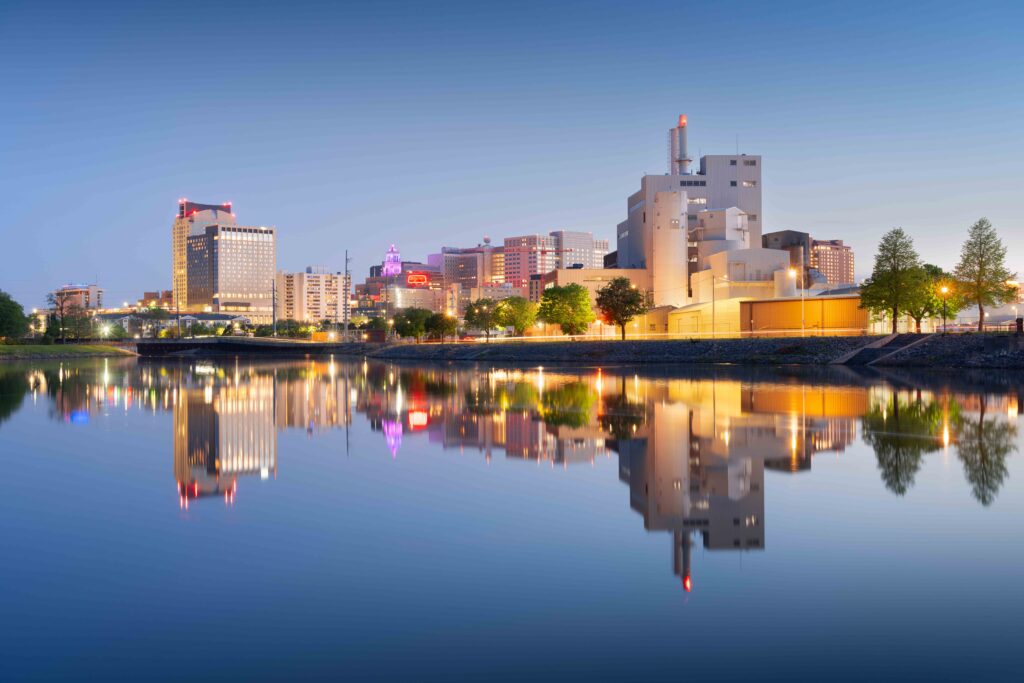
Industrial activity shaped Rochester’s identity. Factories produced cameras, optical equipment, and other goods. This made the city an important economic center for some time.
Key aspects of industrial growth include:
- Development of milling industry using river power
- Expansion of photography and imaging technologies
- Growth of skilled labor and technical education
- Connection to national and international markets
These elements helped Rochester gain a reputation as a place of innovation. Many workers came to the city for employment opportunities. The population increased steadily during peak industrial years.
Interesting Urban Features and Geography
Rochester has several geographic features that make it different. The Genesee River flows through the city center. It creates waterfalls inside urban areas. This is not common for many cities.
Another interesting detail is underground infrastructure. Some tunnels and old systems exist below streets. These structures were used in the past for transport and storage. Today, they are part of historical curiosity.
Important geographic and urban facts:
- Rochester has waterfalls located inside city limits.
- The city is close to Lake Ontario, affecting climate conditions.
- Underground passages exist from earlier industrial periods
- Parks and green spaces are distributed across urban areas
These features give cities specific character. They influence both daily life and visitor experience.
Education and Research Presence
Rochester is home to important educational institutions. Universities and colleges there support research work and also innovation activity. Many students come from different regions, sometimes even from outside the country, to study in this place.
Scientific work in optics and imaging has a strong foundation in the Rochester area. It is connected with the historical development of the photography industry in the city. Industry and education work together, this cooperation supports technological progress over time.
Libraries and archives also have an important role in city structure. They preserve documents, old records, and historical materials. Because of this, it is possible to study deeper how cities develop and change through different periods.
Changes in Modern Period
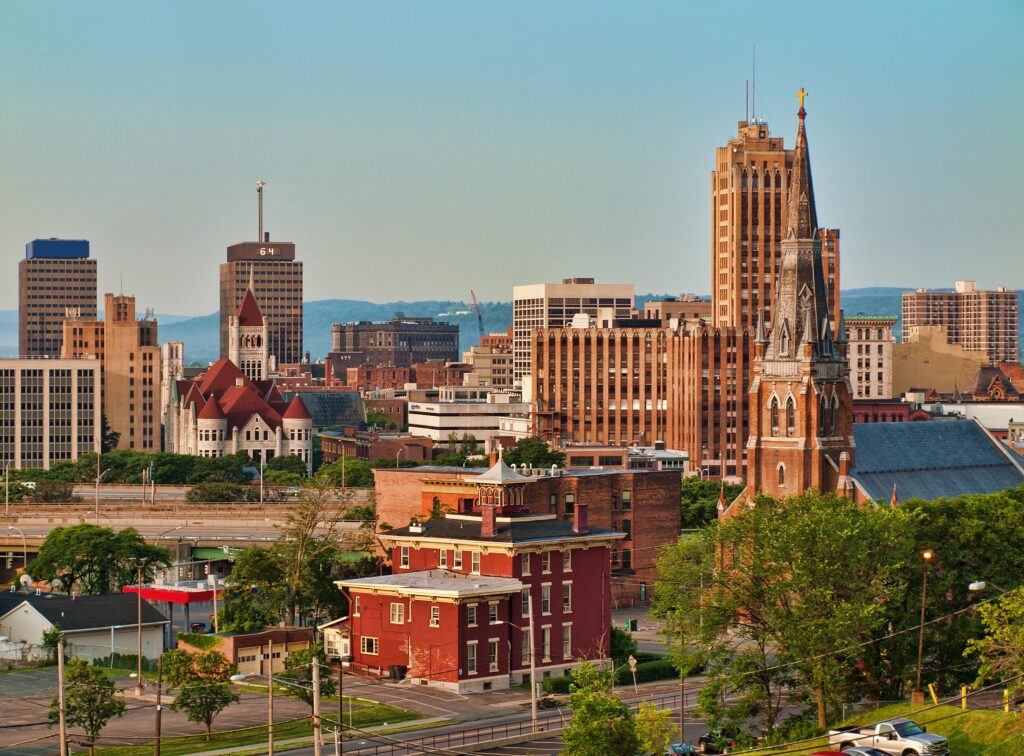
In recent decades, Rochester has experienced clear economic changes. Some old traditional industries decline, not so strong like before. At the same time, new sectors begin to develop in city structure.
Technology, healthcare, and education become more important parts of the local economy. These fields replace some older industrial roles and give new direction for growth.
Urban areas also get redevelopment. Many old industrial buildings are not demolished but reused for new functions. So there is a mix of old architecture and modern style together, sometimes on the same street.
Cultural Meaning and Identity
Interesting facts about Rochester, NY, show how city identity formed through a combination of industry, culture, and geography. Each period added new elements to its character.
The city of Rochester shows a transition from an industrial center into a more diversified urban area. Old industrial roles slowly reduce, and new urban functions appear in different sectors.
Historical memory still stays visible in buildings, museums, and also local traditions around the city. Past layers do not fully disappear; they remain inside the urban structure.
The presence of figures like George Eastman connects Rochester with global technological development history. At the same time, daily local life and small events create a different atmosphere, more unique and not only industrial identity.
Comments are closed