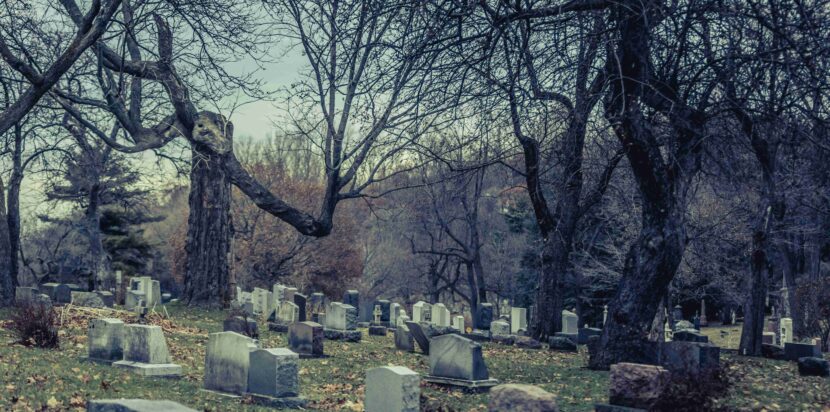
Brighton Cemetery, Rochester, NY, describes a burial place located near Rochester, explaining who was buried there, what historical role the cemetery had, where exactly it developed, when it was active, why it became important for the local community, and how its condition changed over time.
Early Development of Brighton Cemetery, Rochester, NY
Brighton Cemetery was created in the early nineteenth century. At that time, the area around Brighton was less urban. It had rural character. Small communities needed burial grounds close to living areas. The cemetery was established to serve this purpose.
The land chosen was slightly elevated. This helped with drainage and long–term preservation. Graves were simple at the beginning. Many markers were made from basic stone. Names and dates are sometimes difficult to read today.
Burials included local families, workers, and some notable individuals. Records from the early period are incomplete. Because of this, the exact number of burials is not always known. Still, a cemetery gives important information about local history.
Layout and Physical Features
The structure of Brighton Cemetery, Rochester, NY, reflects early burial traditions. It does not follow modern planned design. Paths are irregular. Grave positions depend on family plots and available space.
Visitors can notice several features
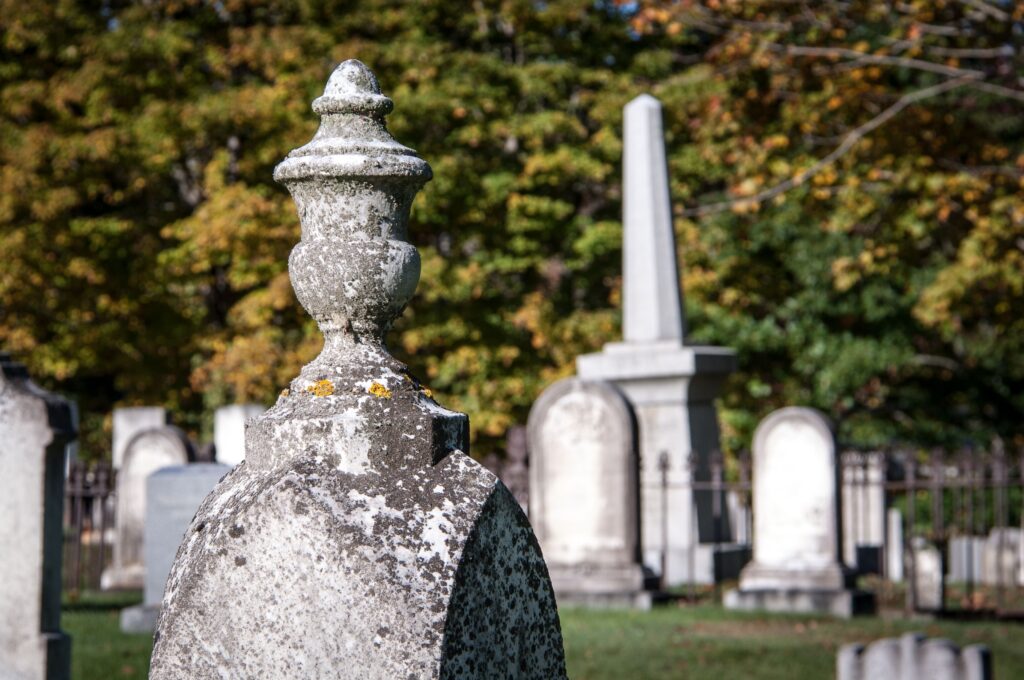
- Old stone markers show weather damage and erosion from a long time. The surface is broken; details slowly disappear.
- Family plots are grouped together, but no strict alignment exists in layout. Order is more loose, not exact lines.
- The natural landscape includes many trees, and the ground is uneven in different areas. It gives a more wild and uncontrolled look.
- Some sections have a lack of modern maintenance work. Care is not regular, so the condition becomes older over time.
These features show the age of the cemetery. They also show how burial practices were less standardized in that period. Over time, the environment changed. Urban growth moved closer to the cemetery area.
Historical Role in Local Community
Brighton Cemetery had an important role in daily life. It was not only a burial place. It was also a space of memory and community connection. Families visited graves regularly. Ceremonies and traditions were performed there.
The cemetery reflects demographic changes. Names on stones show different origins. Some families stayed many generations. Others appear only once in records. This helps historians understand migration and settlement patterns.
Church influence was also present. Religious beliefs affected burial practices. Position of graves and symbols on stones often connected with faith traditions. This gives additional cultural information.
Preservation and Historical Interest
In modern times, interest in Brighton Cemetery, Rochester, NY, increased again. Historians and local groups study the site. They try to document remaining graves and restore parts of the cemetery.
Preservation work is not simple. Old materials are fragile. Weather and time caused damage that cannot be fully reversed. Still, documentation helps save information even if physical markers disappear.
Cemetery also attracts visitors interested in local history. It gives a direct connection to past generations. Walking through the area allows observation of early burial practices and social structure.
Cultural Meaning and Interpretation
Brighton Cemetery is not only a burial place. It also represents change from rural settlement into a more urban environment. Old land use slowly shifts into city structure.
Every grave tells a small fragment of bigger history. Each one is like a single record from a past life and time.
All together graves create a wider picture of community development. It shows how people lived and how society grew over long periods.
The site also demonstrates how memory is preserved. Even when physical condition declines, historical importance can remain. Written records, studies, and local knowledge keep information alive.
Understanding Brighton Cemetery, Rochester, NY, helps explain broader patterns. It connects individual lives with regional history. It shows how communities remember the past and how physical spaces carry that memory.
The cemetery near Rochester remains a quiet historical location. It does not function as an active burial ground in the same way as before. But it continues to exist as a source of knowledge about earlier times and people who lived there.
Comments are closed