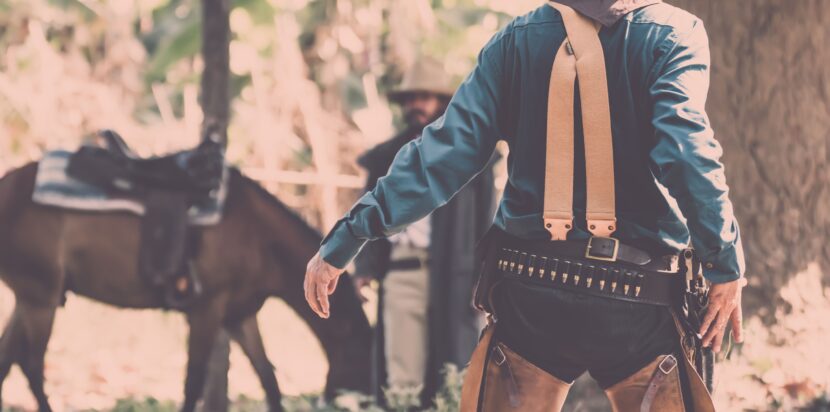
Buffalo Bill’s biography describes the life of William F. Cody, a frontier figure who became a symbol of the American West, explaining what he did as a hunter and scout, where he traveled with shows, when his fame expanded across continents, why his image became mythologized, and how performance changed public understanding of real historical events.
Early Life and Buffalo Bill Biography Origins
William F. Cody was born in 1846 in Iowa Territory. Childhood passed in unstable conditions. The family moved across frontier zones, searching for a better life. The environment was harsh. Danger was part of daily routine. As a young boy, Cody started working early. He became a rider, messenger, and hunter. These roles required endurance and quick decision–making.
Later, he worked for railroad expansion teams. His main duty was hunting buffalo to feed workers. This work was intensive. Large numbers of animals were killed in a short time. Because of this activity, Cody received the nickname Buffalo Bill. The name quickly spread among workers and later among the wider public.
He also acted as a scout for military units. During operations in western territories, Cody guided soldiers through unfamiliar land. His knowledge of terrain was valuable. These experiences later became the base for stories that mixed facts with dramatic elements.
Buffalo Bill Show and Rise of Public Fame
After years on the frontier, Cody changed direction. He moved into entertainment. Urban audiences wanted stories about distant lands. Cody used his experience to build performances. He created Buffalo Bill’s Wild West show. It was not traditional theater. It combined staged scenes with real skills.
The show included different elements of frontier life. Riders demonstrated speed and control. Shooting performances showed accuracy. Scenes presented conflicts and daily routines. Native American performers participated in shows, adding visual authenticity, though often simplified.
Annie Oakley became one of the central figures in performances. Her shooting ability attracted attention. She was widely recognized by audiences in both America and Europe.
Key characteristics of the show
- Large open arena with live animals and complex staging
- Combination of real skills and scripted action scenes
- International tours that reached major cities
- Central role of Cody as symbolic frontier hero
The show traveled widely. It visited cities like New York, Chicago, and London. Public response was strong. Many people saw frontier life for the first time through these performances.
Influence on Culture and Media
Buffalo Bill became a widely recognized symbol. His appearance was distinctive. Long hair, decorated clothing, and confident posture created a memorable image. Posters and photographs distributed this image across regions.
Newspapers reported on his travels and performances. This media coverage expanded his fame. His shows influenced later storytelling formats. Early Western films and books used similar characters and scenes.
Elements that shaped cultural impact included visual identity, repeated narrative structure, and international exposure. Because of this combination, Buffalo Bill helped define how the American West was imagined by audiences who never visited those lands.
Legacy and Modern Interpretation
 The modern study of Buffalo Bill’s biography uses multiple sources. Researchers compare letters, business records, and press materials. This approach helps separate documented facts from staged elements.
Important aspects of his legacy:
- Formation of a popular image of the American frontier.
- Development of large–scale traveling entertainment.
- Influence on later media, including cinema and literature.
- Interaction between history and constructed narrative.
At the same time, discussions continue about representation in his shows. Native American roles are often reconsidered. Scholars aim to provide more balanced historical context.
Cultural Meaning and Continuing Attention
Buffalo Bill is still a topic of interest today. In museums and also in books, people can see different views. Some texts speak more about real facts from life. Other ones try to study how myth was created and what symbols it brings to culture.
The person William F. Cody shows how one life can become a big story for many people. His experience was real from frontier time, but he also makes shows for the audience. So, part of life was true, and part was made for watching.
The biography of Buffalo Bill gives a connection between history and storytelling. It shows how memory in public is built and how symbols in culture start to exist.
Comments are closed